Solar Eclipse Travel: Planning a Trip Around Totality
Start with the viewing spot, give eclipse day some breathing room, and choose a destination you'll enjoy even if clouds interrupt the show.
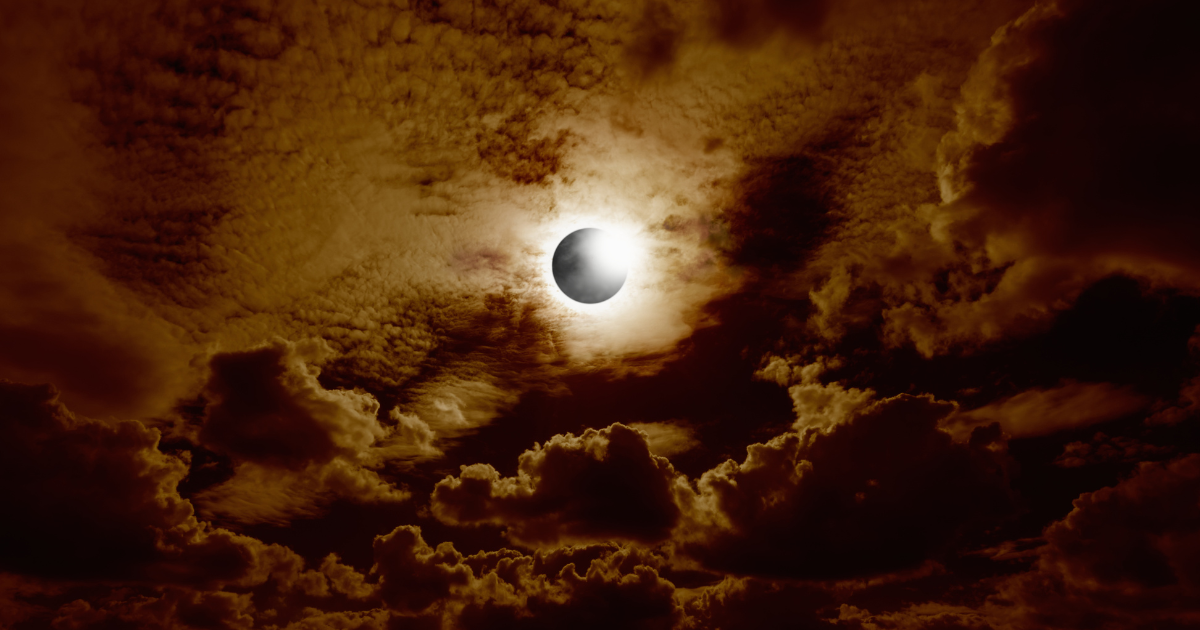
An eclipse won't wait for you. Your flight can run late, your transfer can take longer than expected, and the Moon will still cross the Sun at exactly the appointed time.
That's why I'd plan the viewing day first. Then I'd build a trip around it with a hotel you want to come back to, time to explore, and meals you don't have to rush through.
Choose somewhere you actually want to visit. If clouds block the eclipse, you should still have a trip you're glad you took.
Check the viewing spot before the hotel
Start with the map. To see a total solar eclipse, you need to be inside the path of totality, where the Moon completely covers the Sun; a nearby city outside that path gets a partial eclipse instead.
Take a look at Xavier Jubier's interactive solar eclipse maps. They're super helpful for making sure you're in a great spot to view the eclipse, especially when you're narrowing down where to stay and where to watch.
Check the exact location and local viewing times before you book. A hotel described as being in an eclipse destination doesn't tell you whether its terrace, garden, or advertised viewing site is inside the path.
Ask for the details. Where will you watch, can you see the Sun from that spot at the right time, and does the package include transportation there and back?
August 2, 2027, is one date to consider. NASA lists totality through parts of southern Spain, North Africa, Saudi Arabia, and Yemen, but that map alone doesn't tell you which destination suits your trip.
Source: NASA Future Eclipses, https://science.nasa.gov/eclipses/future-eclipses/
Make the rest of the trip count
The eclipse is the appointment. The days around it are yours, so think about whether you'd rather spend them walking through museums, staying near the coast, or taking a few guided excursions from one comfortable base.
I'd choose an itinerary with fewer hotel changes. Every move means packing, checking out, and getting somewhere else, which takes time away from the place you came to see.
Look closely at the transfer. A hotel you love loses some of its appeal if reaching the viewing site means a difficult journey before the day has even started.
Keep eclipse day clear
Don't fly in that morning. Arrive ahead of the eclipse with time to absorb a travel delay, get settled, and understand how you'll reach the viewing area before everyone needs to be there.
Keep the return journey loose, too. A flight or prepaid dinner immediately afterward gives you a deadline when you'd rather have time to leave without rushing.
Eclipse-day booking checklist
- Is transportation to and from the viewing site included?
- Are drinking water, toilets, shade, and seating available?
- Can everyone in your group comfortably reach the viewing area?
- What are the minimum stay and cancellation terms?
- What happens if weather disrupts the viewing plan?
Have a realistic weather plan
Nobody can promise clear skies. Compare seasonal cloud patterns when choosing a location, then check local forecasts with your guide or viewing-site organizer as the date gets closer.
A backup spot needs a route. Knowing about another viewing area won't help if you can't reach it safely, don't have permission to enter, or would arrive after totality has ended.
Keep something else to look forward to. A museum you've wanted to visit or a few quiet days by the water still belongs in the itinerary, whatever happens overhead.
Bring the right eye protection
Regular sunglasses won't protect your eyes. NASA advises eclipse glasses or handheld solar viewers that meet ISO 12312-2 whenever any part of the Sun's bright face is visible, including the partial phases before and after totality.
Inspect viewers for damage before use and supervise children. You may remove them only during complete totality, inside the path, when the Moon entirely covers the Sun's bright face.
Put them back on immediately when the bright Sun reappears. Unsure about the timing? Keep your viewers on.
Camera equipment needs separate protection. Don't look through binoculars, a telescope, or a camera while wearing eclipse glasses; those devices require appropriate solar filters secured over their front optics to view the Sun outside totality.
Read NASA's full guidance before you travel: https://science.nasa.gov/eclipses/safety/
Paper eclipse glasses are fine, too, as long as they meet ISO 12312-2 and aren't damaged. I prefer a pair with some heft. These eclipse glasses on Amazon are an example of the style I mean; check the manufacturer and seller's safety information before buying, because a sturdier frame alone doesn't make the solar filter safe.
Start with the trip you want
Tell me which eclipse you're considering. Share your departure city, how much time you have, and what you'd enjoy doing around the viewing day, and we'll have a useful starting point for choosing where to go.
The eclipse sets the date. Let's give the rest of the trip just as much thought.